

Strengths and Skill-Building as a Pianist
The Ongoing Journey of Cultivating My Craft

Happy December! Thank you to everyone who has contributed funds to my next film project. It is a sequel to my film YUP. You can help fund this campaign at the link below by donating or sharing:
I have been preparing for my band Ancestral Tongue’s annual show at the French House (with the wonderful jazz/R&B artist Ellisa Sun doing a lovely set of her own) this coming Sunday (at 3:00 PM for anyone in the greater Nashville area), and I have been thinking a lot about the skill set that I have honed to follow through on such an undertaking.
Every artist has a set of skills that usually aligns with their sensibilities. Van Gogh’s unique way of capturing light with paint on a canvas was informed by his worldview, however complicated or troubled that may have been. The offbeat cadences of a jazz singer can convey the sense of adventure in their approach to vocalization. Our abilities shape what we do.
In my case as a pianist, I started out many years ago at a specific juncture, and this origin has colored everything I have done ever since. When I decided to go all in and become a performing musician in Charlotte, NC, years ago, I started out as a balladeer.
Give me a sorrowful slow song, and I can revel in it for hours.
I recently discovered that I mesh well with people who work with grief. I seem to speak a dialect they understand. The beauty of a sorrowful ballad is the space and time it gives me within its slowness to feel my feelings—to fully embrace the disappointment and misgivings I have been reluctantly holding for so long. Looking back, this was my way of coping with all the demons who were taking up residence in my body, as well as any ancestral trauma embedded in my DNA.
I found strength in sorrow, strangely enough, and built a home in the slow and spacious rhythms of gentle, heartbroken ballads. I have always been drawn to them, and to this day, I cannot help myself. I get positively giddy when I discover a new one.
This is the origin story of my life and work as a pianist.
So, where did I go from there? I needed to become more comfortable with a different skill set.
I have always known how to play faster, uptempo stuff, but it simply was not my preference. Ultimately, I knew I would not grow as an artist if all I played was mournful ballads.
So, I started to bridge the gap. I would write sad songs at faster tempos and learn how to fit various words into much smaller and fleeting intervals of time. This was my strategy for growing my musical muscles in a different way. Playing at a faster tempo means that your instincts need to operate at a nimble pace. I still have to accurately play all the notes and rests but at a quicker consistency. (The footwork on the pedal feels like an impatient tap dance in these instances.) By comparison, the space between beats in a ballad is as wide as an ocean.
Inevitably, I came to love playing fast (and even super-fast) songs. Some of my songs run along at a feverish syncopation. I get an intense adrenaline rush when I play fast, and it is exhilarating.
Now, with that said, most of my faster songs tell deeply conflicted stories with layers of sadness. My song “Fear,” for example, describes a parent-child relationship that is doomed to oblivion. This parallels with its propulsive, manic buildup.
The kinds of songs I want to write are rich with emotion despite their tempos.
I have developed other skills over time.
Performing in front of audiences
I have learned that, with the type of music I play, there is more to performing than simply doing the thing. It requires a distinct awareness and effort that I do not need when I play music by myself.
Engaging with an audience and reeling them in is its own art form. I cannot say for sure that I am always successful at it, but I have certainly improved. I have learned a few tricks along the way.Calming my nerves
It is natural to be nervous before and during a performance. What I have learned to do is how to prevent it from becoming all-consuming and debilitating. It took many instances of me walking up onto a stage and “going for it” to figure out what worked for me. I now accept nervousness as part of my process. I am often nervous because I care deeply for what I am about to do.Performance “Juggling”
My partner MaxZine is a juggler (among many talents). I watch him at home or on a stage easily commanding gravity to abide by his rules. Multiple objects twist and turn in the air to a rhythm that his hands dictate.
When I am playing a song on stage, I feel like I am juggling multiple things:hitting all the right notes on the keyboard with the nuance and character they require
remembering the lyrics to the song
being mindful of where I am in the song so that I do not lose my place and confuse the rest of the band
singing in the right key
pronouncing the words clearly
conveying emotion
connecting with the audience
not letting my foot push the piano pedal further out of reach
staying in rhythm with the rest of the band
remembering to breathe
etc. and etc.
Oddly enough, what all of this amounts to is simply letting go and resolutely trusting my body, my ears, and my intuition to guide me and do what they know already. One’s calm determination can be a powerful thing.
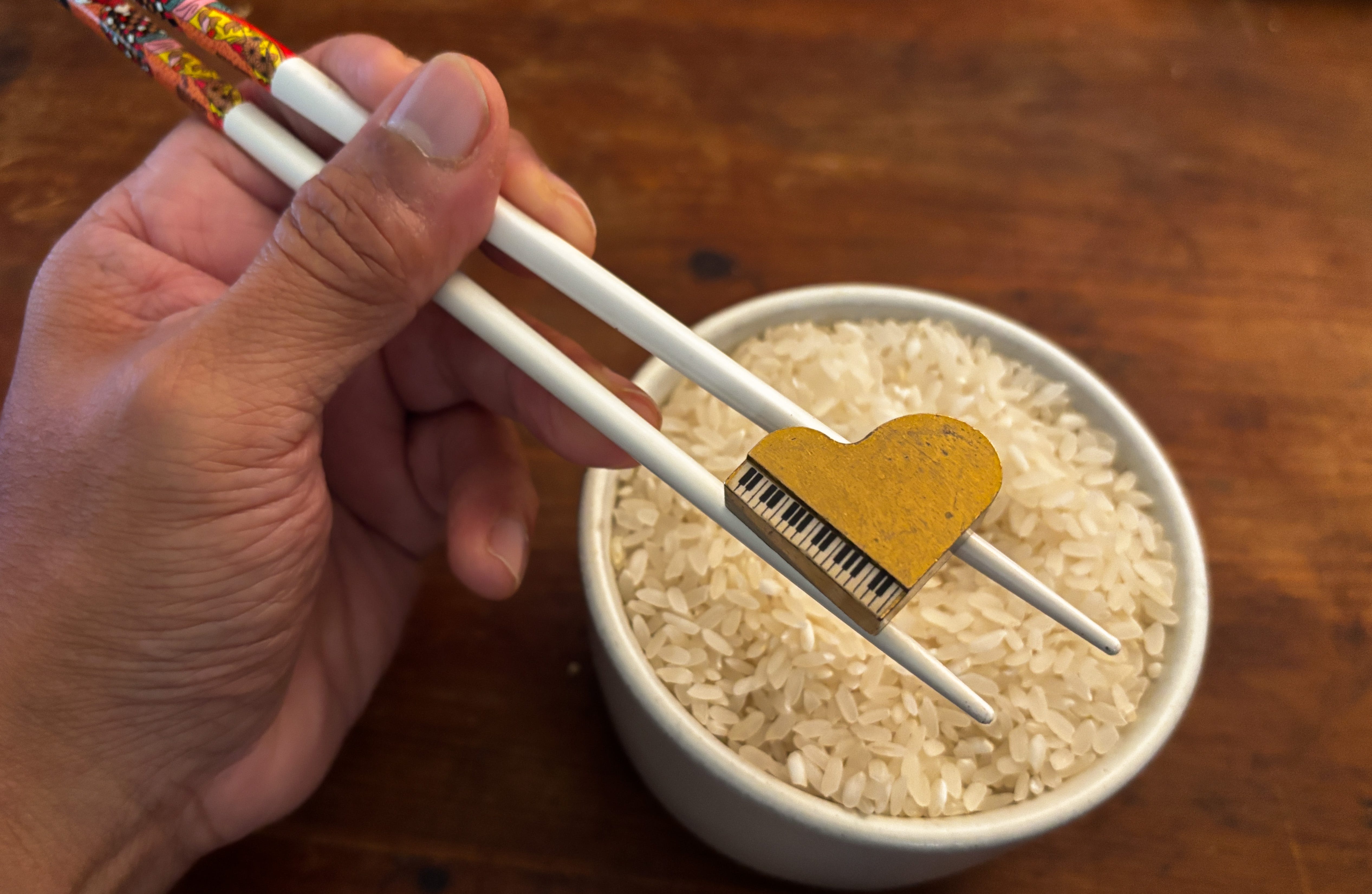
Ultimately, I will always consider myself a student. There is a lesson to be learned at any stage in life and through all triumphs and disappointments. I pooh-pooh any suggestion that I am a master at my craft. I am but a toddler clumsily learning how to walk (and often preferring to crawl at my own private, meandering pace and stopping at any fluffy object that strikes my curiosity, cats included).
Thankfully, I have so much more to learn.
P.S. If you are curious to know what one of my ballads sounds like, listen to this:
UPCOMING SHOWS
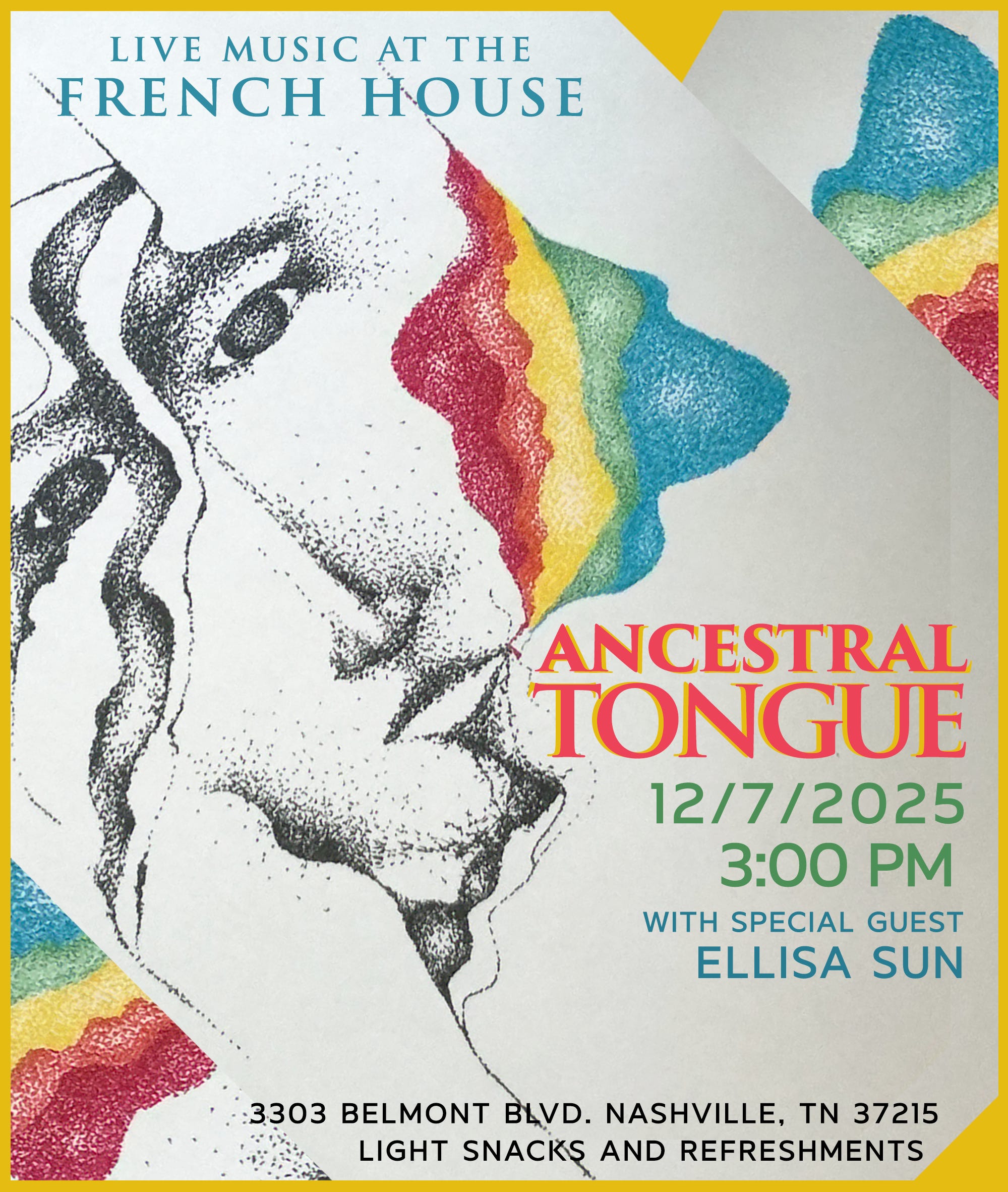
The French House
Ancestral Tongue
(w/ Special Guest Ellisa Sun)
Nashville, TN
Sunday, December 7
Project Updates
New Music:
Working on my vocals for the songs
New YUP Sequel Film Project:Making more fundraising plans
Related Posts:

